St. Albans NY Property Management Tips for New Landlords in 2026
St. Albans NY Property Management Tips for New Landlords in 2026
St. Albans in southeast Queens offers steady rental demand due to proximity to Jamaica Center, the St. Albans LIRR station, and major corridors like Linden Boulevard and Merrick Boulevard. According to NYC Planning Community District 12 data, renter households account for roughly 50% of occupied units, while the New York City rental vacancy rate has hovered near 3% in recent years. That tight environment rewards landlords who adopt structured systems, understand regulations, and approach 2026 with disciplined, data-informed strategies.
How Can Tenant Screening Protect St. Albans Rentals in 2026?
Thorough tenant screening in St. Albans begins with clear written criteria aligned with New York City fair housing rules. Income standards, credit thresholds, and rental history checks should be documented and applied consistently to applicants for units on Farmers Boulevard, Hollis Avenue, and 193rd Street. According to guidance from New York State Homes and Community Renewal, housing providers must avoid policies that create disparate impact, so every metric, from minimum income of 2.5 or 3 times rent to late-payment limits, needs transparent justification.
Verification steps help reduce costly turnovers that can easily exceed $2,000 in cleaning, repairs, and vacancy loss for a one-bedroom near Merrick Boulevard. Employment verification, landlord references, and legal background checks should be handled through reputable third-party screening services that follow the Fair Credit Reporting Act. According to Consumer Financial Protection Bureau summaries, adverse action notices are required when applications are denied based on credit data, which helps maintain compliance in 2026.
Security deposits for St. Albans apartments on 119th Avenue or near Roy Wilkins Park must follow New York State’s cap of 1 month’s rent for most residential leases. According to New York Attorney General tenant guidance, deposits must be held in separate accounts and cannot cover routine wear and tear. Detailed move-in inspection forms with dated photos of kitchens, bathrooms, and hardwood floors on 193rd Street support fair, well-documented deposit decisions at move-out.
What Rent Levels and Lease Structures Work Best in St. Albans?
Setting competitive rent begins with understanding Queens-wide benchmarks, then adjusting for St. Albans blocks near St. Albans Park, Daniel M. O’Connell Playground, and Campus Magnet High School. According to Zumper’s Queens rent report for early 2026, median one-bedroom rents in Queens often fall in the $2,300 to $2,600 range, while two-bedrooms cluster between $2,700 and $3,100. Many St. Albans units trade modestly below those levels, especially walk-up buildings farther from the E and F trains in Jamaica.
According to the HUD 2024 Fair Market Rent schedule for the New York metro area, two-bedroom FMRs sit around $2,400, providing a reference point for pricing renovated units near Guy R. Brewer Boulevard or Springfield Boulevard. Staggered lease start dates across a small portfolio—such as three units expiring in March, July, and November—help avoid simultaneous vacancies. Many landlords prefer 12-month terms with renewal options, while some add modest rent increases of 2% to 4%, subject to any local restrictions.
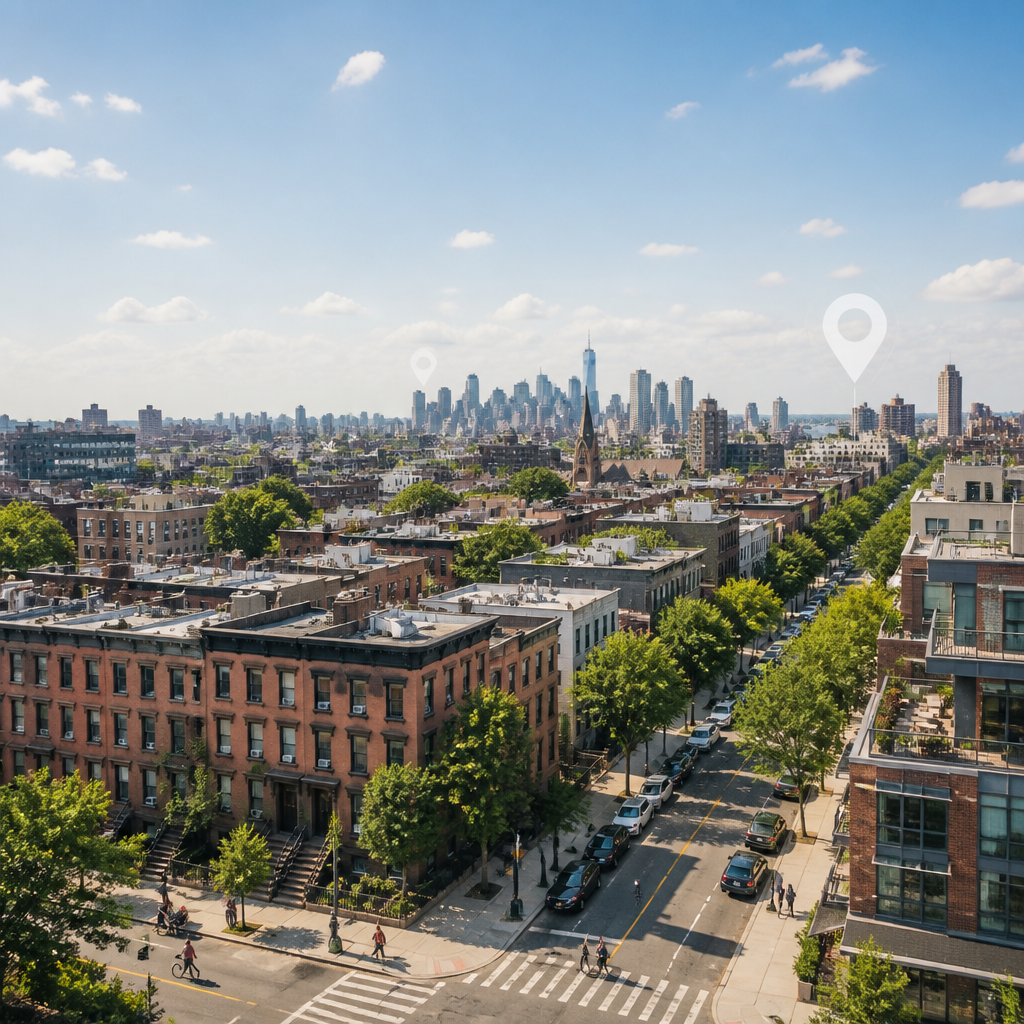
On warm summer evenings, tenants leaving Golden Krust on Linden Boulevard often walk past brick two-family homes carrying the scent of spicy jerk chicken and fresh cocoa bread. Streetlights reflect off recently repointed facades on 120th Avenue, while the low hum of buses on Merrick Boulevard mixes with music drifting from open windows near Roy Wilkins Park. That sensory backdrop underscores how stable, fairly priced leases help keep long-term residents connected to familiar blocks, bakeries, and storefront churches.
How Should Maintenance and Repairs Be Organized for St. Albans Properties?
Proactive maintenance schedules protect both buildings and cash flow along streets like 197th Street and Montauk Street. According to NYC Department of Housing Preservation and Development, owners must maintain heat, hot water, and essential services, with fines that can climb into the $1,000 to $10,000 range for repeated violations. Annual inspections of roofs, boilers, and plumbing in basements near St. Albans Park reduce emergencies and support cleaner Housing Maintenance Code records.
Budgeting for capital reserves—often targeting 10% to 15% of annual gross rent—helps fund larger projects like roof replacements on houses bordering Addisleigh Park or façade work on Jamaica Avenue. According to property operations benchmarks summarized by BOMA International, planned maintenance generally costs less per year than reactive work. Digital work-order systems can log tenant requests, upload photos, and time-stamp responses, demonstrating timely action if any dispute arises.
Licensed professionals remain essential in New York City’s regulatory environment. Gas work on homes near the St. Albans LIRR station, electrical upgrades on Farmers Boulevard, and significant structural changes must be handled by contractors with permits issued through the NYC Department of Buildings. Simple recurring tasks, such as hallway sweeping, gutter cleaning, or seasonal radiator bleeding, can be assigned to on-site supers or rotating vendors, provided response times stay within 24 to 48 hours for most non-emergency issues.
What Legal and Compliance Issues Matter Most in St. Albans for 2026?
During fall evenings near PS 36 St. Albans School, the crisp smell of leaves and faint chalk dust from the playground hang in the cool air as streetlights flicker on along 190th Street. The quiet clack of the Q3 bus doors on Farmers Boulevard contrasts with the distant rumble of LIRR trains passing the historic St. Albans station. In that calm, clear signage about house rules and legal notices on multifamily entry doors reinforces a sense of order for residents.
Compliance starts with understanding New York State’s warranty of habitability and rent regulations. According to New York State Homes and Community Renewal’s tenant guide, tenants must have safe, livable conditions regardless of rent level, which applies equally to basements near Linden Boulevard and top-floor units near St. Albans Park. For rent-stabilized apartments, annual increases follow percentages set by the New York City Rent Guidelines Board, which in recent years authorized hikes in the approximate range of 1% to 3% for one-year renewals.
Eviction procedures in Queens Housing Court require strict adherence to notice, service, and filing rules. According to New York State Unified Court System resources, improper service can delay cases by 30 to 60 days or more. Maintaining written logs of late payments, broken lease clauses, and repair offers is critical when addressing chronic non-payment in buildings on 116th Avenue or near York College CUNY, where documentation often determines case outcomes.
When Does Professional Property Management Make Sense in St. Albans?
Professional management becomes appealing once responsibilities outpace available time, especially for portfolios spread across Merrick Boulevard, Guy R. Brewer Boulevard, and Springfield Boulevard. According to surveys summarized by Stessa’s property management fee guide, typical residential management fees range from 8% to 12% of monthly collected rent, with occasional additional leasing fees of 50% to 100% of one month’s rent. For landlords balancing full-time jobs, those fees may be offset by reduced vacancy and fewer legal missteps.
Local managers familiar with Roy Wilkins Park, Addisleigh Park historic district, and bus routes along Linden Boulevard can tailor marketing to highlight practical benefits that attract long-term tenants. Some firms use 24/7 call centers, online portals for rent payments, and automated late-fee assessments. According to operational studies by National Association of Residential Property Managers, portfolios with structured processes often experience delinquency rates at least 2 to 3 percentage points lower than informal operations.
Management contracts should specify responsibilities in detail, including leasing authority, approval thresholds for repairs over amounts such as $500 or $1,000, and processes for vendor selection. Properties closer to Jamaica Center–Parsons/Archer often warrant higher marketing budgets due to stronger transit access, while quieter blocks near Addisleigh Park Pharmacy may focus on community-oriented messaging. Clear performance metrics—turnover time targets of under 30 days, for example—help align manager incentives with long-term portfolio stability.
The 3% vacancy figure cited at the start of this guide reflects a market where disciplined preparation often matters more than aggressive pricing. That same 3% rate from the opening underscores how limited inventory magnifies every operational mistake or delay within St. Albans buildings. The Queens Real Estate Board market updates provide a structured snapshot of changing supply, rent ranges, and regulatory developments specific to southeast Queens. Landlords who monitor those reports regularly and register listing alerts through preferred platforms before the spring leasing surge, then submit well-documented applications for any needed permits in Q2 2026, consistently secure more stable tenants and avoid costly compliance problems that can persist for years.
Categories
Recent Posts